
Linear Heat Detection Systems
BS 5839-aligned linear heat detection for environments where conventional point detection isn’t practical, reliable or sufficient. Cable trays, underground tunnels, conveyor systems, car parks, warehouses and industrial process areas, designed, installed, commissioned and maintained by WSD’s own engineers.
Linear heat detection is a specialism most generalist fire contractors won’t take on. We do. It’s a discipline that needs the design done properly, the cable installed cleanly, and the integration with the main fire alarm panel programmed precisely. Our engineers handle all three.
What linear heat detection is
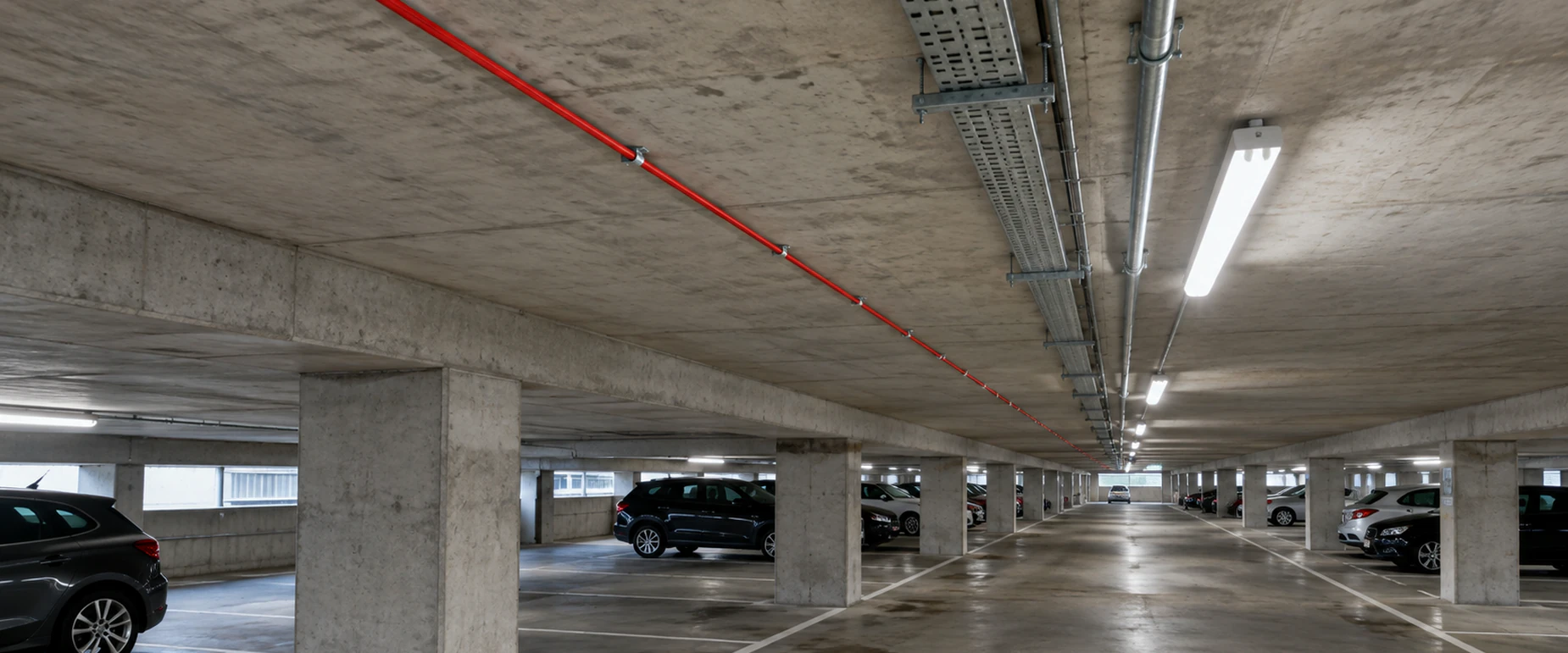
Linear heat detection (LHD) uses a continuous sensor cable run along the length of the area being protected, rather than discrete detection points spaced at fixed intervals. When the temperature anywhere along the cable rises above a defined threshold, the system identifies the alarm condition and signals the main fire panel.
That continuous coverage is what makes LHD the right answer for environments where point detectors don’t work:
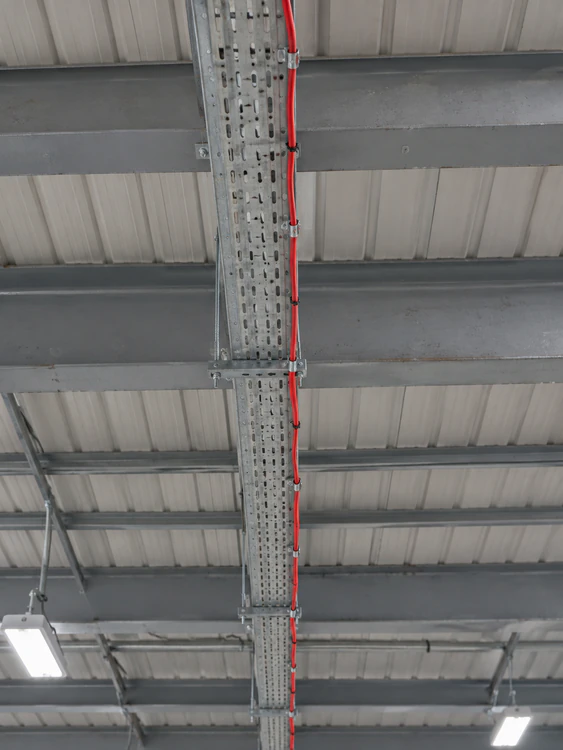
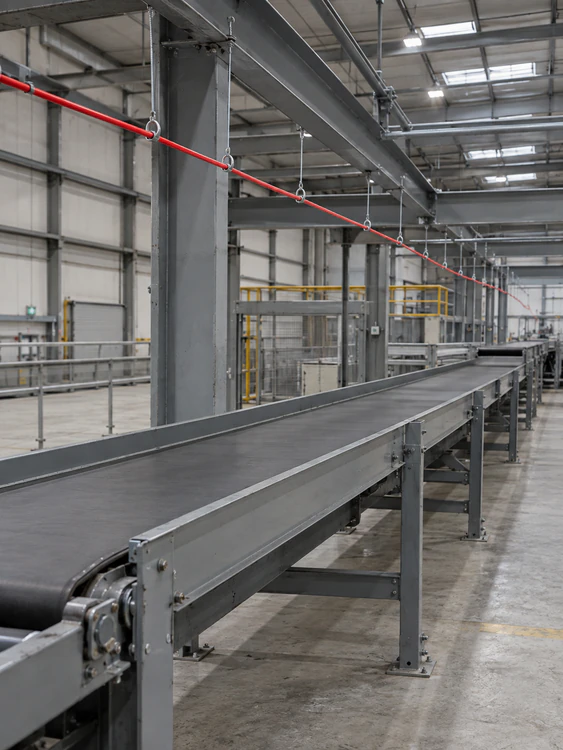
- Long, narrow runs – cable trays, service ducts, tunnels, conveyors – where point spacing would miss the gaps
- Inaccessible locations – underground tunnels, sealed voids – where servicing point detectors is impractical
- High dust or harsh conditions – waste facilities, industrial processes – where conventional smoke detection contaminates quickly
- Large open volumes – warehouses, car parks – where point coverage becomes excessive
- High air movement – tunnels, plant rooms with significant ventilation – where smoke doesn’t accumulate predictably
In short: where the geometry, environment or accessibility makes conventional smoke or heat point detectors unreliable, LHD is usually the right call.
Linear heat detection systems we install
We install and maintain LHD systems from the leading manufacturers in the discipline:
- Protectowire – one of the established benchmarks for digital and analogue linear heat cable
- Thermocable – UK-manufactured linear heat detection systems
- Patol – widely specified across industrial and commercial UK installations
- Safe Fire Detection – including specialist sensor cable applications
- Kidde – integrated detection systems
- FFE (Honeywell) – flame and heat detection systems
- Other approved specialist linear heat detection systems where the project requires it
Product selection is driven by the environmental conditions, the specific fire risk profile of the application, and the project specification. The cable for a high-temperature foundry process is a different choice from the cable for a chilled cold-store conveyor or a low-temperature cable tray.
Design, install, commission and integrate
We deliver the complete LHD service end-to-end. The same engineers handle design through to handover. Nothing is sub-contracted out.
Design
Either to a consultant’s specification or as a fully designed solution. Cable routing, panel selection, interface design and cause-and-effect strategy.
Installation
Cable laid, terminated and fixed by our own engineers, with proper attention to bend radii, fixing intervals, expansion provision and environmental protection.
Integration
Interface modules wired into the fire alarm panel, BMS, suppression and any other linked systems.
Commissioning
End-to-end functional testing, alarm verification, fault simulation, cause-and-effect testing across the full programmed matrix.
Handover documentation
As-fitted drawings, commissioning records, BS 5839 compliance documentation, asset register, O&M manual and maintenance recommendations.
Got questions? We've answered the common ones.
Quick answers on cover, callout times, accreditations and what working with us actually looks like. Still got a question? Get in touch.
Are you accredited?
Yes. WSD holds BAFE (SP203-1), NICEIC Approved Contractor and SafeContractor accreditations, and we are members of the FIA and BSI. Insurance: £5m public liability, £10m employers’ liability, £1m professional indemnity, £5m product liability. Certificates available on request.
Linear heat vs point detection – which do I need?
Point detection (smoke or heat detectors at fixed spacings) is the default for most enclosed rooms and standard commercial spaces. Linear heat detection becomes the right answer where point spacing wouldn’t reliably cover the geometry (long narrow runs), where the environment makes point detectors unreliable (dust, vapour, high airflow) or where the location is too inaccessible for routine point detector maintenance. Many sites use both: point detection in occupied areas, LHD in plant rooms, cable trays and process areas.
Can you integrate LHD with our existing fire alarm panel?
Yes. LHD systems are routinely integrated with existing addressable or conventional fire alarm panels through interface modules. The integration also extends to suppression release, smoke control, plant shutdown, BMS and remote monitoring where required.
Which manufacturers do you install? (LHD)
Protectowire, Thermocable, Patol, Safe Fire Detection, Kidde, FFE (Honeywell) and other approved specialist systems where the project specification calls for them.
How often does linear heat detection need to be tested?
Routine LHD testing is aligned to BS 5839 recommendations alongside the wider fire alarm maintenance regime. For most installations that means an annual full functional test as part of the fire alarm service contract, with interim checks where the environment or risk profile warrants it.
How does linear heat detection work?
The sensor cable contains conductors separated by a heat-sensitive insulating material. When the temperature reaches the cable’s rated alarm threshold (typically 68°C, 88°C or higher depending on the application), the insulation breaks down and the conductors short, triggering the alarm signal. Digital cables register the exact location of the activation along the cable run; analogue systems indicate which zone has alarmed.
What is linear heat detection?
A fire detection method that uses a continuous sensor cable run along the length of an area, rather than discrete point detectors at fixed spacings. When the temperature anywhere along the cable rises above a defined threshold, the system signals the main fire panel. It gives reliable coverage in environments where point detection isn’t practical: cable trays, tunnels, conveyors, warehouses, car parks, industrial processes.
Do you cover the whole UK?
Yes, we deliver maintenance contracts and projects nationally from our Bromsgrove HQ. Most of mainland Britain is within a routine response window for reactive maintenance work.
Sites further from the Midlands may have slightly longer response windows for reactive call-outs; we can provide a map of typical response times by area during the initial survey if it’s relevant to your site.
Detail that often comes up.
Standards, integration, manufacturers and the questions we get asked most. Skim or dive in.
- Applications
- Integration
- Maintenance
- Standards
Applications
LHD is particularly suited to environments where conventional point detection is impractical or ineffective. Typical applications we’ve installed across include:
Cable trays and cable tunnels
Conveyor systems
Escalators and moving walkways
Underground tunnels and service ducts
Car parks
Warehouses and logistics facilities
Vehicle maintenance bays
Plant rooms and generator enclosures
Waste handling and recycling facilities
Industrial process environments
High-risk storage areas
Talk to our team
We will walk through your project, scope the work, and quote against what you need.
Integration
LHD is almost always part of a larger fire detection and response strategy, not a standalone system. We routinely integrate LHD with:
The main fire alarm system
Alarm, fault and monitoring signals through addressable or conventional interfaces
Cause-and-effect programming
So an LHD activation triggers the correct response across the rest of the fire system
Smoke control systems
Smoke ventilation, pressurisation, AOVs
Suppression systems
Gas suppression, pre-action sprinkler release, deluge activation
Plant shutdown controls
Process equipment, ventilation, conveyors, lifts
Building Management Systems (BMS)
So the BMS knows the LHD status alongside everything else it monitors
Remote monitoring platforms
Including 24/7 alarm receiving centres where required
Talk to our team
We will walk through your project, scope the work, and quote against what you need.
Maintenance
Linear heat detection cable is robust but it lives in environments that are often the most punishing in the building. Mechanical damage, contamination, vibration and ageing all matter, and a system that hasn’t been maintained properly is a system you can’t rely on the day it’s needed.
Routine LHD maintenance with WSD typically includes:
Visual inspection of detection cable and fixings
Inspection for mechanical damage or contamination
End-of-line device testing
Interface module testing
Alarm and fault condition testing
Fire alarm panel integration checks
Verification of zoning and cause-and-effect functions
Documentation and certification updates
Talk to our team
We will walk through your project, scope the work, and quote against what you need.
Standards
Our LHD work is delivered to current British Standards:
BS 5839-1
Fire detection and fire alarm systems for non-domestic buildings, where the LHD forms part of the wider fire detection system
BS 7273-1 and BS 7273-3
Code of practice for the operation of fire protection measures, relevant where LHD activates suppression or other interfaces
BS 7671
IET wiring regulations
BS 8519
Selection and installation of fire-resistant power and control cable systems, where LHD supports fire-rated systems
Talk to our team
We will walk through your project, scope the work, and quote against what you need.
Assured, insured & compliant.
WSD holds the accreditations the industry treats as the minimum bar for serious commercial work. Backed by £5m public liability, £10m employers liability, £1m professional indemnity and £5m product liability cover. All work delivered to current British Standards.




Need linear heat detection designed, installed or taken over?
New build, retrofit, integration into an existing fire alarm system, or maintenance of an installation someone else put in – we’ll quote against what your project actually needs.